According to the Aon report, medical inflation in India is expected to reach 11.5% by 2026, clearly indicating that healthcare costs are escalating at a much quicker pace than general prices.
Without the right insurance coverage, even a single hospital stay could swiftly deplete years of your accumulated savings, underscoring health insurance's vital role as a significant financial safeguard.
Financial Security
Health insurance is genuinely essential for your overall financial well-being, extending far beyond merely the tax benefits it might offer.
The current market presents a multitude of insurance choices, often leading to confusion for buyers, especially with complex terms like co-pay and sub-limits, compounded by occasionally pushy sales approaches.
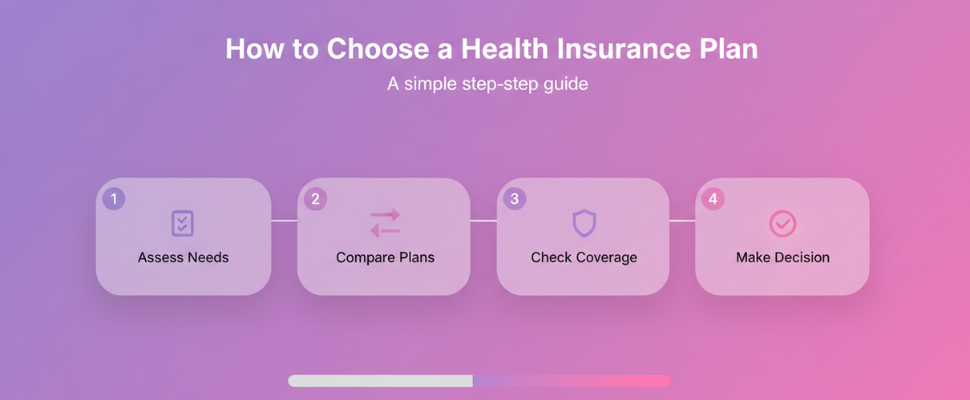
This guide is designed to provide you with a clear, actionable plan for navigating the selection process, helping you pinpoint the best health insurance plan tailored to your family's unique needs.
Key Takeaways
- Healthcare costs in India are rising significantly.
- India faces substantial medical inflation in 2026, with medical costs projected to climb by 11.5%.
- Getting unbiased insurance advice is crucial to select the best health insurance plan.
- This is especially true for those considering senior citizen health insurance.
- When choosing a plan, you must choose wisely between individual and family floater coverage.
- It is also important to understand the value of pre and post hospitalization coverage.
- For those living in big cities, aim for a Sum Insured of Rs. 15–25 Lakh.
- The sum insured is the maximum amount your insurer will pay for your medical costs in a policy year.
- This amount provides crucial financial protection against rising medical expenses.
When you consider how to select the best health insurance plan, understanding the key factors is essential. The claim settlement ratio is one such factor and cannot be ignored. It shows how reliably an insurer pays claims. A strong insurer reputation often aligns with a good claim settlement record.
Reviewing the insurer's network hospitals list is also a critical step. This list shows where you can use your cashless health insurance for treatment. For treatments at non-network hospitals, or in certain situations, you will need to follow the reimbursement claim process. This means you pay for your treatment first and then submit documents to the insurer for reimbursement.
When evaluating an insurer's performance, it helps to understand the difference between incurred claims ratio vs settlement ratio:
- Claim Settlement Ratio (CSR): Number of claims paid compared to claims received.
- Incurred Claims Ratio (ICR): Total value of claims paid against total premiums collected.
Your personal medical history is another important factor. Deciding between individual vs family floater is a primary step. To simplify this process, a comprehensive health insurance checklist can guide your decisions.
Important things to review carefully
- Watch out for room rent capping rules.
- Going over this limit often causes a proportionate deduction on your total hospital bill.
- This means you will pay more from your own pocket.
- This also impacts the final amount you receive through the reimbursement claim process.
Find the best health insurance plan by using a transparent insurance platform with AI health insurance comparison tools like CoverTiger. These tools compare many options fairly.
Understanding CoverTiger features helps you see how they match plans to your specific health needs and budget. The CoverTiger advantages include:
- Clear comparisons of policy terms
- Checking the insurer's network hospitals list
- Showing cashless health insurance facilities
- Providing a concise health insurance summary for each plan
- Offering insights into the reimbursement claim process for different insurers
This helps you understand how to select the best health insurance plan that fits you. It helps you choose wisely and address the impact of medical inflation in 2026 and rising healthcare costs in India.
Always check the waiting period for pre-existing diseases. This period typically runs from 24 to 48 months. Your coverage for these conditions starts only after this waiting period ends. This is a critical point for senior citizen health insurance plans, as their medical history often includes such conditions.
What Are the Key Factors to Consider Before Buying Health Insurance?
When you choose a health insurance plan, keep this checklist in mind. Knowing these things helps you pick the best one.
Enough Money Covered
Your plan must meet rising medical costs in your city.
- Aim for Rs. 15–25 Lakh if you live in a metro city.
- This protects your savings for the future.
Hospital Network Reach
Look for cashless access at hospitals near your home.
- Find a wide network of hospitals all over India.
Waiting Periods
Understand when coverage for different health issues begins.
- Certain pre-existing diseases have specific waiting times.
- Other treatments also have their own waiting periods.
No Hidden Charges (Sub-limits)
Avoid unexpected costs, like limits on room rent.
- This prevents money from being cut from your claim.
- Your hospital stay should ideally have full coverage.
Claim Settlement Ratio
This ratio shows how much you can trust an insurer.
- A higher number usually means the company is more reliable.
- You can check yearly IRDAI reports for this information.
Step 1: Assess Your Healthcare Needs and Family Profile
To choose a health insurance plan, first know what you need. The best plan often depends on your family and where you are in life.
Think about your current health. Also consider your past medical history. Make sure to clearly tell the insurer about any existing health issues. This helps companies give you the correct coverage and prevents problems later on.
For single people, or those with specific health concerns, an individual health plan is usually a good fit. This plan gives a set amount of money just for one person. It can be very helpful if someone has a long-term health problem.
Young families or couples often compare individual vs family floater plans. A family floater covers everyone in the family under one total amount. While this plan saves money, all family members share the same pool of funds. If one person uses a lot, less remains for others.
Senior citizen health insurance plans address health needs as people age. These plans typically have shorter waiting times for some health issues and cover common problems for older adults. Indian companies like Star Health and Niva Bupa offer special plans. Always check the plan rules for coverage limits and any co-payment clauses.
Should You Choose Individual or Family Floater Plans?
Understanding this choice is key for family protection.
Family Floater Plans
- Cover your whole family together
- Offer one shared sum insured
- Usually cost less for younger families
- All listed family members share one total sum insured
- Premiums are usually lower than buying separate plans for each person
- One large claim might reduce the cover amount for everyone
Individual Plans
- Protect the sum insured only for specific members
- Better suited for older parents or those with existing health conditions
Best For: Families who are younger and healthy. Individual plans are better for older parents, or for anyone with ongoing health problems.
Planning for Senior Citizens and Parents
If your parents are over 60, pick special plans for seniors. These help with common health issues as people get older. Their premiums often cost more, but a low co-payment is key.
Look for plans with:
- Yearly health check-ups
- Home treatment coverage (at-home hospitalization)
- Low co-payment rules
Best For: Parents above 60 who need full health coverage suited for their age.
Analyzing Your Medical History
When you pick a health insurance plan, you must share all your past health issues. For example, mention conditions like diabetes or high blood pressure. If you do not tell the truth about your health, the company might refuse your claim.
Look for plans that cover specific long-term illnesses right from the start.
- IRDAI rules typically require full disclosure of your medical history
- Failing to share this information can cause your cashless hospital stay to be rejected
- Some insurance plans offer immediate cover for certain long-term conditions
Best For: People with existing medical conditions who need specific coverage options.
Step 2: Pick the Right Sum Insured and Coverage Scope
Choosing the right sum insured matters a lot. The sum insured means the most your insurance company will pay for your medical bills each year.
Medical costs in India are rising fast, expected to reach 11.5% by 2026. Because of this, picking a strong sum insured is very important.
For people in big cities, we often suggest at least Rs. 15–25 Lakh. This amount typically covers major health issues well.
Look for plans that offer a restoration benefit. If you use your entire sum insured in one year, this feature refills it for a different illness or accident in the same policy year.
Also make sure your policy includes pre and post hospitalization coverage.
- Usually covers expenses for about 60 days before hospitalization
- Covers expenses for around 180 days after discharge
- These costs may include doctor visits, tests, and follow-up care
Many plans offer cashless treatment at network hospitals. However, you may need to pay for pre and post hospitalization costs first and then claim reimbursement.
How Much Sum Insured Is Actually Enough?
Cardiac bypass surgery in a private Indian hospital might cost Rs. 5–8 Lakh. Your sum insured should ideally be at least half of your yearly income. Many experts advise Rs. 10 Lakh or more per adult.
Top-Up Plans
Top-up plans offer a cheaper way to get much more coverage.
- Give you higher total coverage for a small payment
- Work as an add-on to your current health insurance
- Start only after your main policy's deductible amount is fully used
- Help manage rapidly rising medical costs
Best For: People needing more coverage than their basic policy provides.
Do You Really Need Critical Illness and Maternity Benefits?
Critical illness riders give you a lump sum if you are diagnosed with certain serious diseases, such as cancer.
Maternity benefits cover costs related to childbirth.
When considering these, always check:
- Limits on delivery costs
- Waiting periods, typically 9 months to 4 years
Young couples often benefit from buying maternity cover early so they can complete the waiting period sooner.
Quick Breakdown
- Critical Illness: Fixed payment for listed serious illnesses
- Maternity: Covers childbirth-related expenses
- Waiting Period: Usually 9 months to 4 years
Best For: People and young couples planning a family or wanting protection from serious illnesses.
Understanding Restoration and No Claim Bonus (NCB)
These features increase your policy's long-term value.
- Restoration: Refills your sum insured completely after a claim
- No Claim Bonus: Increases your sum insured, sometimes up to 100%, for claim-free years
Best For: Keeping your policy valuable and protected as healthcare prices rise.
How CoverTiger AI Platform Can Help You Choose the Best Health Insurance Plan
Comparing many health plans on your own can be difficult. Every company has different rules, and finding the right plan often takes time.
CoverTiger makes it easier with smart AI health insurance comparison technology.
CoverTiger features include:
- A detailed review of your health needs
- Consideration of your age, family profile, and medical history
- Assessment of whether you need an individual plan or a family floater
- Personalized suggestions without sales pressure
- Unbiased insurance advice tailored to you
This modern approach gives you clear plan details and helps ensure you pick coverage that truly fits your needs.
Step 3: Check the Fine Print for Sub-Limits and Waiting Periods
Understanding the fine print in any health insurance policy is important. Many buyers only notice these details when they need to make a claim.
Room Rent Capping
Many plans include room rent capping. This sets a limit on how much the insurer will pay for your hospital room each day.
For example, if your policy covers only 1% of the Sum Insured per day and your sum insured is Rs. 5 lakh, the insurer pays only Rs. 5,000 per day for the room.
If you choose a room costing Rs. 10,000, you pay the extra amount yourself. This also affects:
- Doctor fees
- Nursing charges
- Some medical tests
If you choose a more expensive room than your policy allows, you may end up paying a much larger part of the total bill.
Waiting Periods
Every health insurance plan has specific waiting periods.
- Initial waiting period is usually 30 days for most treatments, except accidents
- Some illnesses like cataract or hernia may have waiting periods of 1 to 2 years
- Pre-existing diseases usually carry waiting periods of 2 to 4 years
This can differ between insurers like Niva Bupa and Star Health, so always check carefully.
Co-payment vs Deductible
It is important to understand the difference.
Co-payment
A co-payment means you must pay a set percentage of every claim yourself.
Example:
If your bill is Rs. 1 lakh and your co-payment is 10%, you pay Rs. 10,000.
Deductible
A deductible is a fixed amount you must pay before the insurer starts paying.
Example:
If your deductible is Rs. 25,000, you cover the first Rs. 25,000 of every claim.
These rules directly affect how much money you pay during a hospital stay.
Why Room Rent Limits Matter
Choosing a room above your plan's allowed limit means your insurer pays less for claims. This reduction often affects doctor fees and other linked services too.
Look for:
- Plans with no room rent restrictions
- Plans that allow a single private room
Best For: People seeking complete coverage without room rent caps.
Waiting Periods for Pre-Existing Diseases (PED)
Knowing about PED waiting periods is crucial.
- Usually 24 to 48 months
- Some conditions like cataract often have a two-year wait
- Some plans offer Day 1 cover for certain PEDs at a higher premium
- Always read the policy wording carefully
Best For: People with existing health issues who want earlier coverage.
Skip Co-Payments and Sub-Limits
Co-payment means you pay a part of your hospital bill, often 10–20%. Sub-limits cap payments for specific treatments, such as cataract surgery.
- Co-payment: You pay a fixed share of the claim
- Sub-limit: A cap applies to what the insurer pays for certain treatments
Avoid these unless you need more affordable plans, especially for seniors.
Best For: Policyholders wanting full coverage without sharing costs.
Does Claim Settlement Ratio (CSR) Still Matter in 2026?
Choosing a health insurance plan needs careful thought. Many people first ask about the claim settlement ratio. This number is still a useful factor. An insurer with a claim settlement ratio above 95% usually appears trustworthy.
However, you should not stop there.
Also check the Incurred Claims Ratio (ICR):
- ICR shows an insurer's financial health
- An ideal ICR often falls between 70% and 90%
This highlights the difference between incurred claims ratio vs settlement ratio.
Always look at the network hospitals list in your area. This helps with easy cashless claims. A wide network makes hospital stays smoother.
Newer insurers sometimes offer faster, app-based claim processes. These are also important when choosing a plan.
Step 4: Check the Insurer's Network and Track Record
A good health plan is not helpful if you cannot access medical care easily.
Always check the insurer's hospital network and make sure your preferred local hospitals are included.
Cashless vs Reimbursement123 Claims
Cashless health insurance means the insurer pays the hospital directly. This often makes the process easier.
With a reimbursement claim, you usually:
- Pay for the treatment yourself
- Submit documents to the insurer
- Get paid back later
Check Customer Reviews and Service Quality
Checking what others say about the insurer is also important.
Look at:
- Customer reviews
- Claim settlement speed
- Quality of support
- Ease of claims process
A good summary of the plan helps compare customer service and insurer reputation.
Get a Transparent Buying Journey with CoverTiger
Picking the right health insurance plan needs clear details. CoverTiger gives you a transparent insurance platform where you can find unbiased comparisons without sales pressure.
Just enter your basic information. The system then shows clear plan choices instantly. This helps you understand how to choose a health insurance plan that truly fits your life.
A key CoverTiger advantage is its tech-first approach. This removes bias from commission-based agent recommendations.
With CoverTiger, you can:
- Buy health insurance online easily
- Get clear plan comparisons
- Receive policy documents quickly
- Start your search for the right 2026 plan with confidence
This brings peace of mind for you and your family.
Conclusion
This health insurance summary offers a practical roadmap.
First, think about what you need personally. Figure out your sum insured, which is the maximum amount the plan will pay. Also understand policy exclusions—these are the things not covered.
Always check:
- The insurer's network of hospitals
- Their past record for settling claims
- Waiting periods
- Co-payment and sub-limit clauses
- Restoration and No Claim Bonus benefits
A good plan should ideally give full coverage without hidden rules.
You might choose:
- An individual health plan
- A family floater plan
- A plan with maternity benefits
- A plan with critical illness coverage
Remember, health insurance is a long-term agreement. Reading the policy details carefully is very important, because it helps you avoid problems later on.
To know how to choose a health insurance plan, compare your options well and choose wisely to keep your family healthy and secure.